The origins of fly fishing date back to the Roman Empire, with the earliest written account appearing in the late 2nd century by the Roman author Aelian. He described Macedonian anglers using red wool and feathers twisted around hooks to trick speckled fish in the Astraeus River. For centuries, the practice remained a localized survival tactic and primitive sport using heavy wooden rods and braided horsehair lines.
The discipline gained formal recognition and structural rules in 1496 with the publication of The Treatyse of Fysshynge wyth an Angle by Dame Juliana Berners, which detailed specific fly designs for different months of the year. The sport underwent a massive technological and philosophical shift during the Industrial Revolution and the Victorian era. The invention of the running reel in the 18th century allowed anglers to battle larger fish, while the 19th century introduced split-bamboo rods, which were significantly lighter and more flexible than traditional wood. During this time, British angler Frederic Halford popularized dry-fly fishing, emphasizing the art of presenting a floating insect imitation to rising trout. Concurrently, G.E.M. Skues championed wet-fly and nymph fishing, sparking a legendary debate that expanded the strategic depth of the sport.
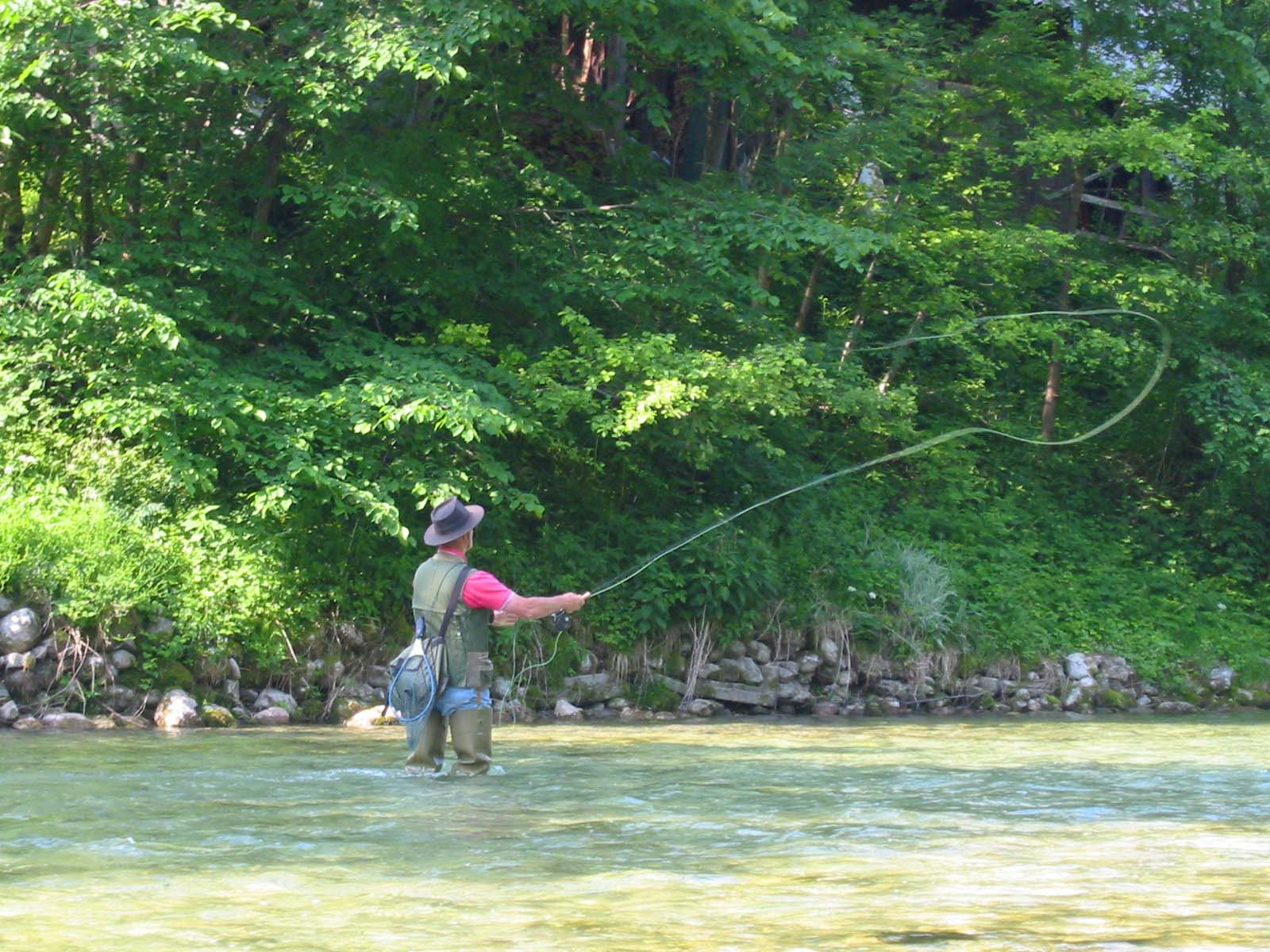
IMAGE OF THE MONTH
November, 2026.
Hiawassee river in Tennessee
FIND IT ON THE MAP
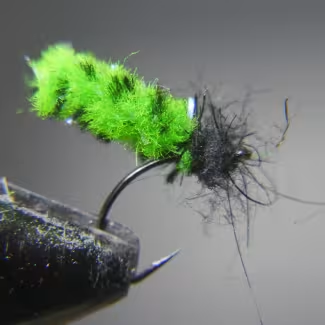
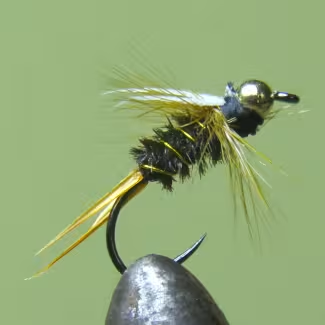
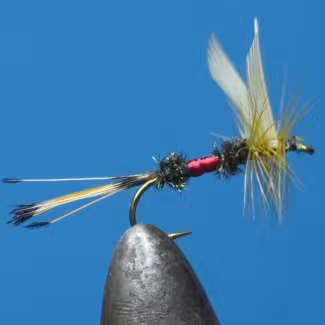
Recently Tied Flies