Dry Fly

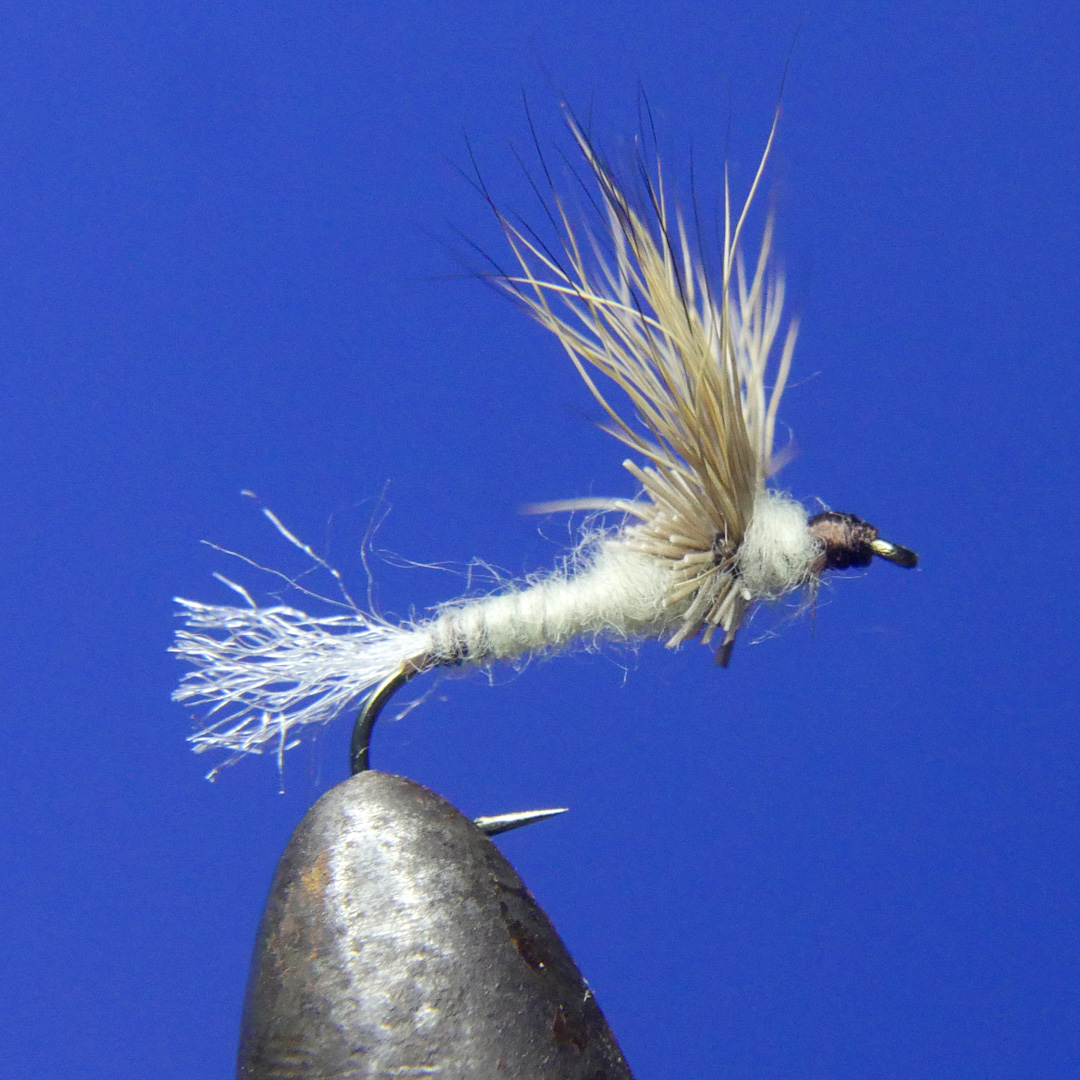
Yellow Sally

Fly Description

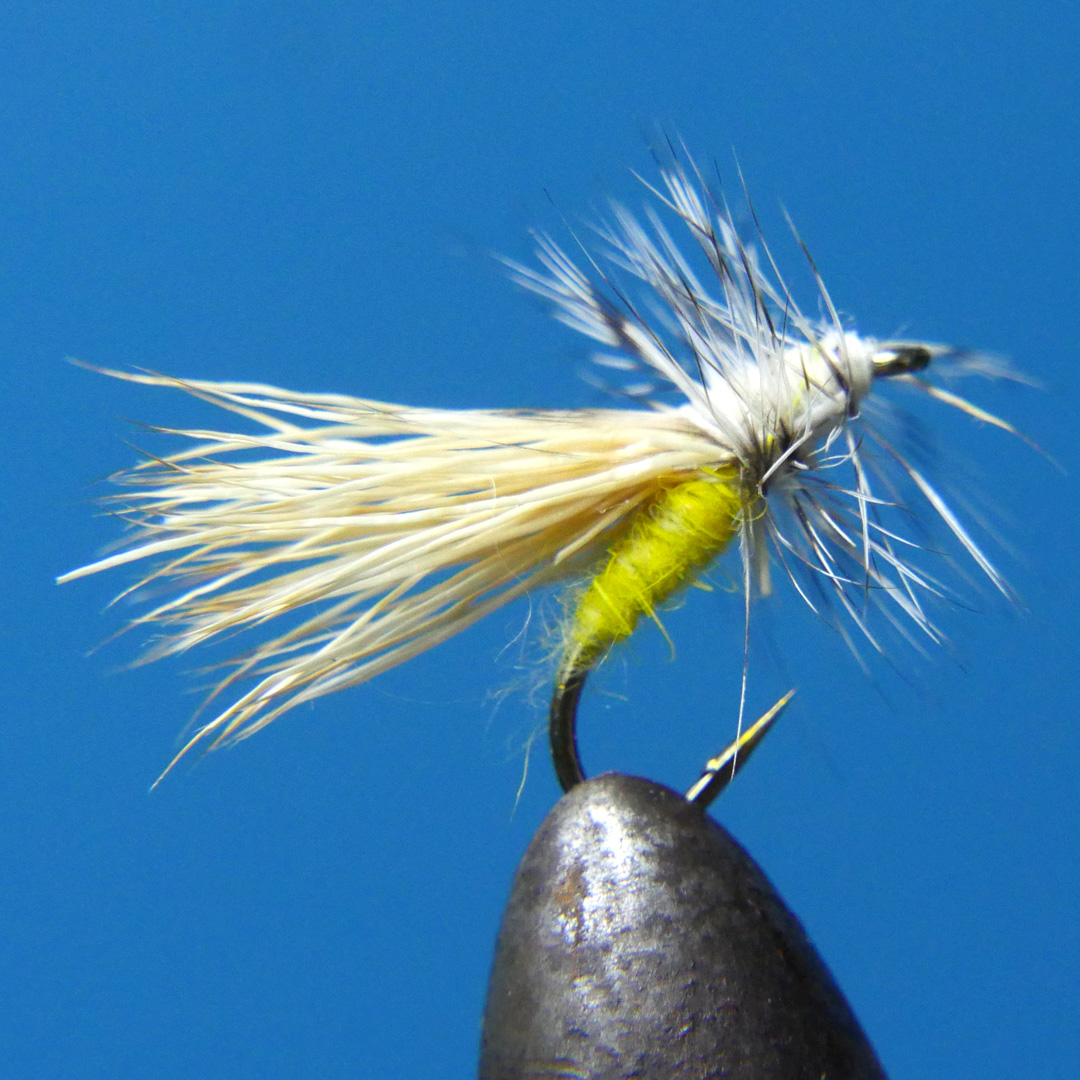
he Yellow Sally dry fly is a highly effective, specialized pattern designed to imitate the adult stage of the Isoperla genus—more commonly known as the Little Yellow Stonefly. Found across gravel-bedded rivers nationwide, this hatch provides critical summertime forage. The history of imitating this insect bridges centuries of angling tradition, moving from historic British wet flies to highly tailored modern American dries.
Fly Type
Dry Fly
Fly Materials
Dubbing
Grizzly Hackle
Elk Hair

Thunderhead

Fly Description

The Thunderhead dry fly is a legendary attractor pattern deeply rooted in the fly-fishing history of the Southern Appalachian Mountains. Developed in the 1950s by Fred Hall, a commercial fly tyer based out of Bryson City, North Carolina, it was explicitly engineered to handle the fast-moving, turbulent freestone pocket waters of the Great Smoky Mountains

Fly Type
Dry Fly
Fly Materials
Deer Hair
Dubbing
Calf Hair
Hen Hackle

Sparkle Dunn

Fly Description

The Sparkle Dun dry fly is a revolutionary American fly pattern developed in the early 1980s by Craig Mathews and John Juracek, co-founders of the legendary Blue Ribbon Flies shop in West Yellowstone, Montana.

Designed to fool highly selective, large wild trout, the Sparkle Dun represents a masterclass in minimalist design. It fundamentally changed how anglers approach major mayfly hatches by shifting focus from the fully hatched adult insect to the vulnerable, emerging stage.

Fly Type
Dry Fly
Fly Materials
Antron
Dubbing
Deer Hair

Rusty Spinner

Fly Description

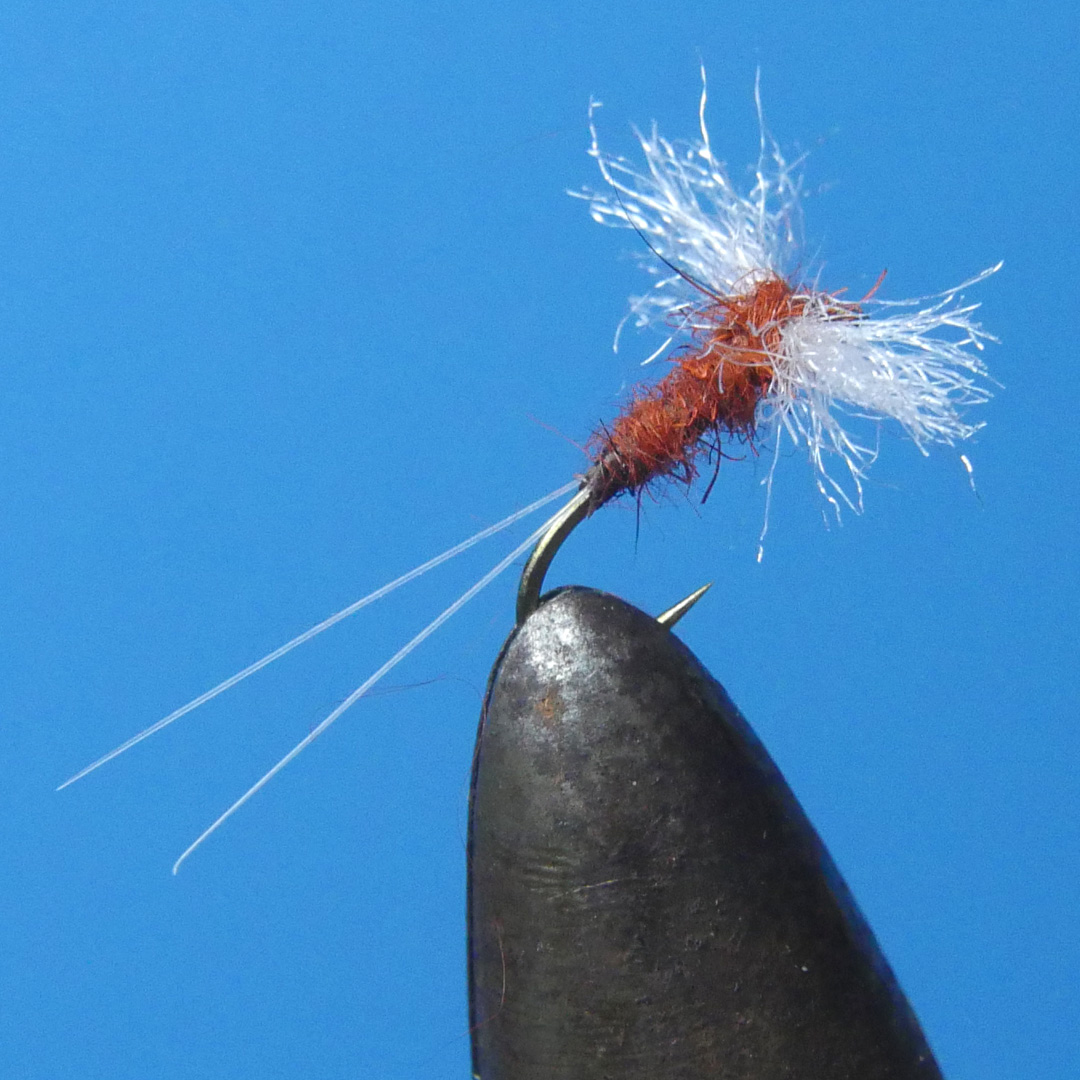
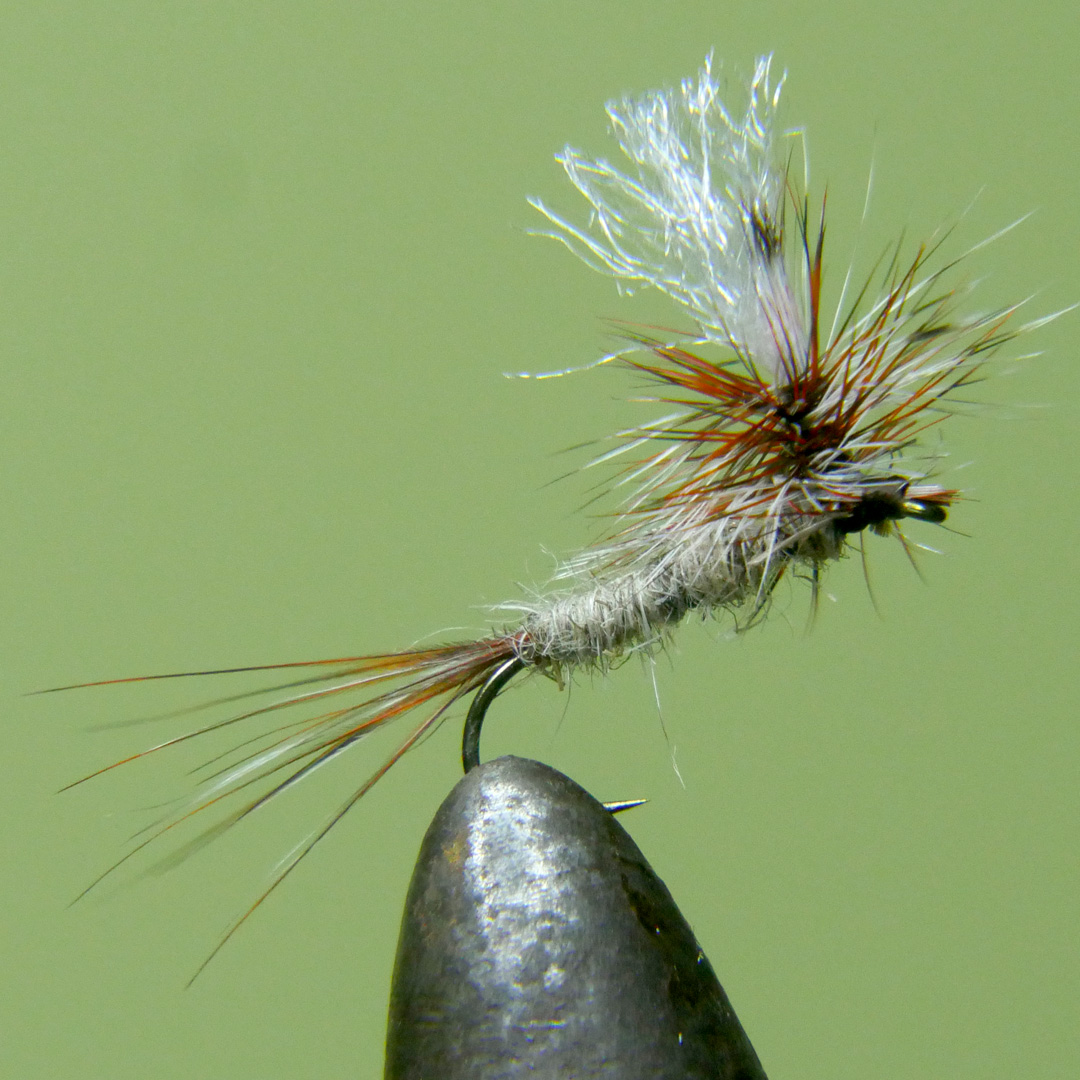
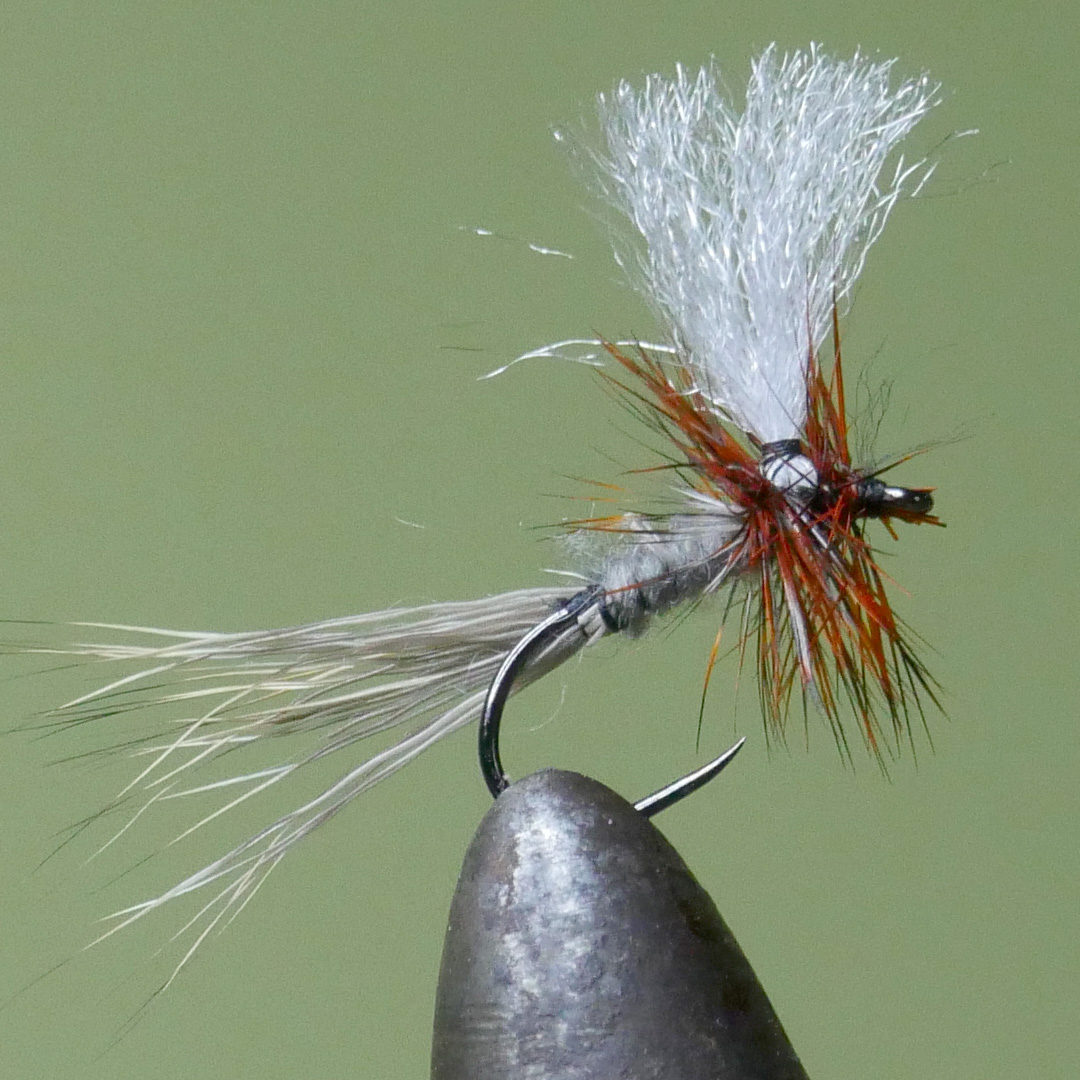
The Rusty Spinner dry fly is one of the most effective and universal match-the-hatch fly patterns ever created. Unlike standard dry flies that sit vertically on top of the water to mimic a newly hatched insect (dun), the Rusty Spinner specifically imitates a dead or dying mayfly that has fallen flat onto the river surface with its wings outstretched.

Fly Type
Dry Fly
Fly Materials
Paint Brush Bristle
Antron
Dubbing

Royal Wullf

Fly Description

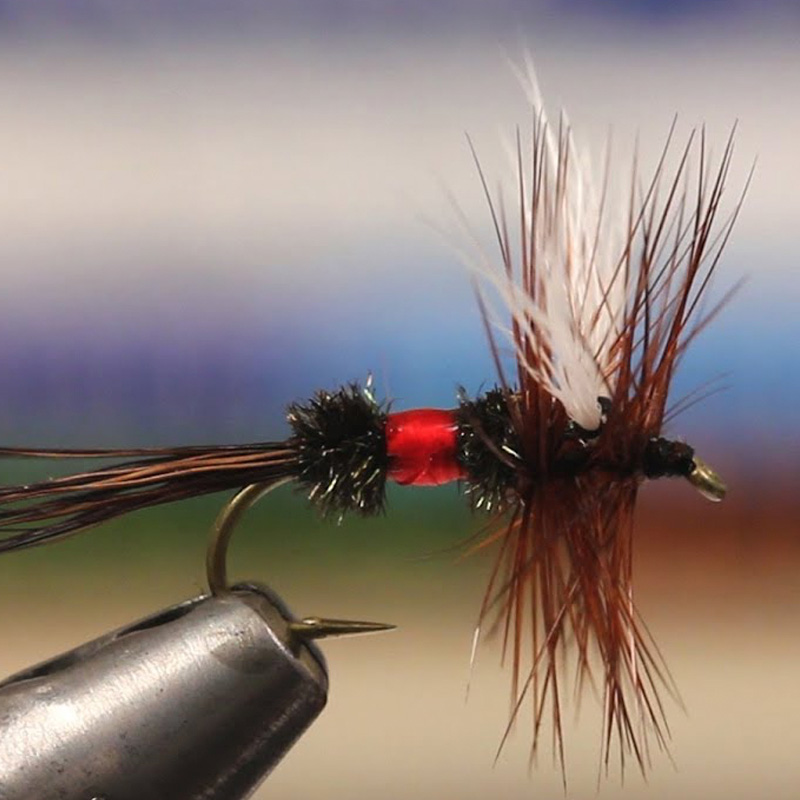
The Royal Wulff dry fly is one of the most significant innovations in 20th-century fly fishing. Created in 1929, it represents the exact moment American fly tying broke away from delicate British traditions to design rugged, highly buoyant flies capable of riding the turbulent, fast-moving freestone rivers of North America.

Fly Type
Dry Fly
Fly Materials
Copper Wire
Calf Hair
Moose Hair
Peacock Herl
Hen Hackle

Royal Coachman

Fly Description

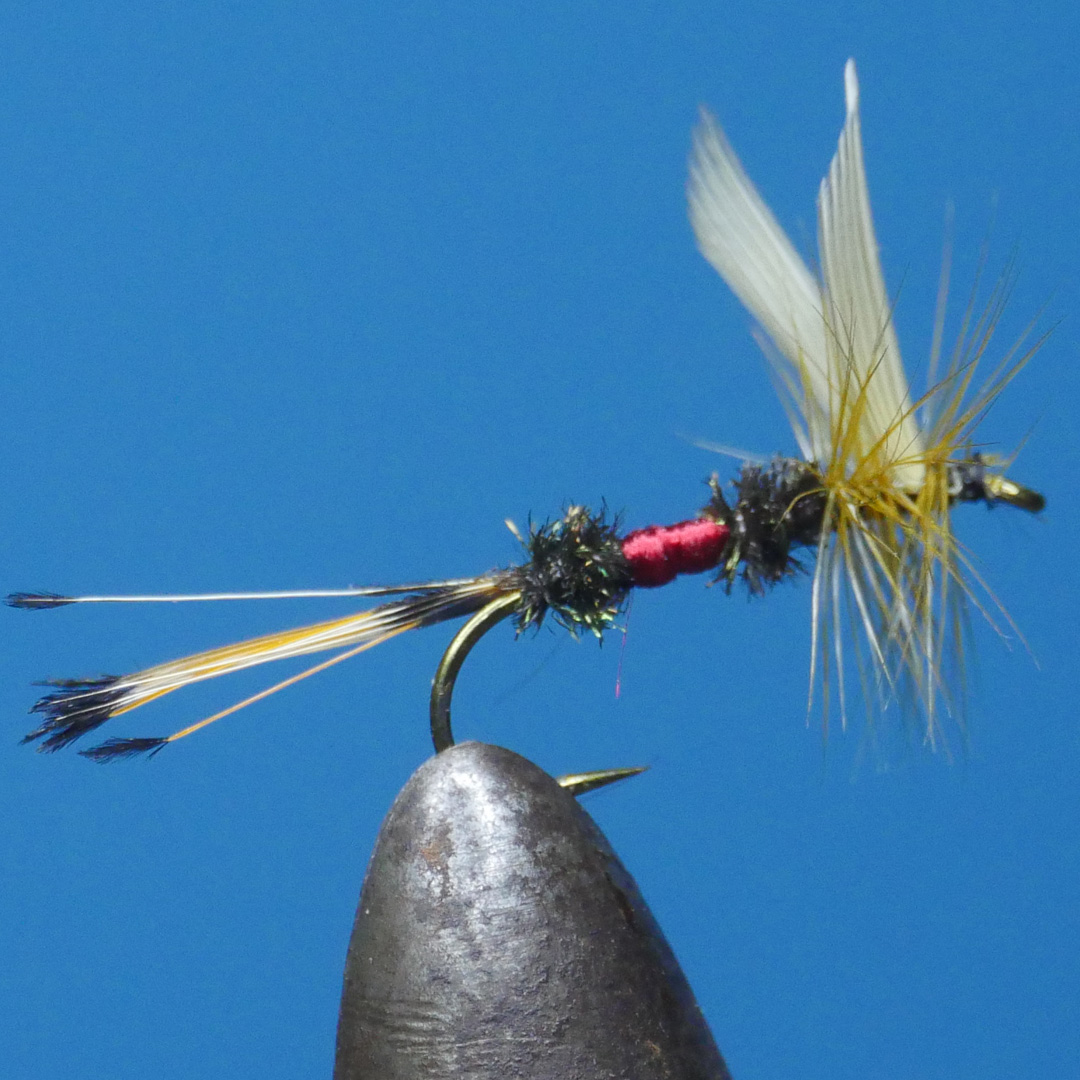
The Royal Coachman dry fly is widely considered the most recognizable and iconic American fly pattern in history. Unlike imitative flies meant to match a specific insect hatch, it is a pure attractor pattern designed to trigger a trout's aggressive instincts through its high-contrast, vibrant colors. Its evolution from a British night-fishing wet fly to an American dry fly classic spans nearly two centuries.

Fly Type
Dry Fly
Fly Materials
Duck Quill
Golden Pheasant tippet
Peacock Herl
Red Floss
Saddle Hackle

Renegade

Fly Description

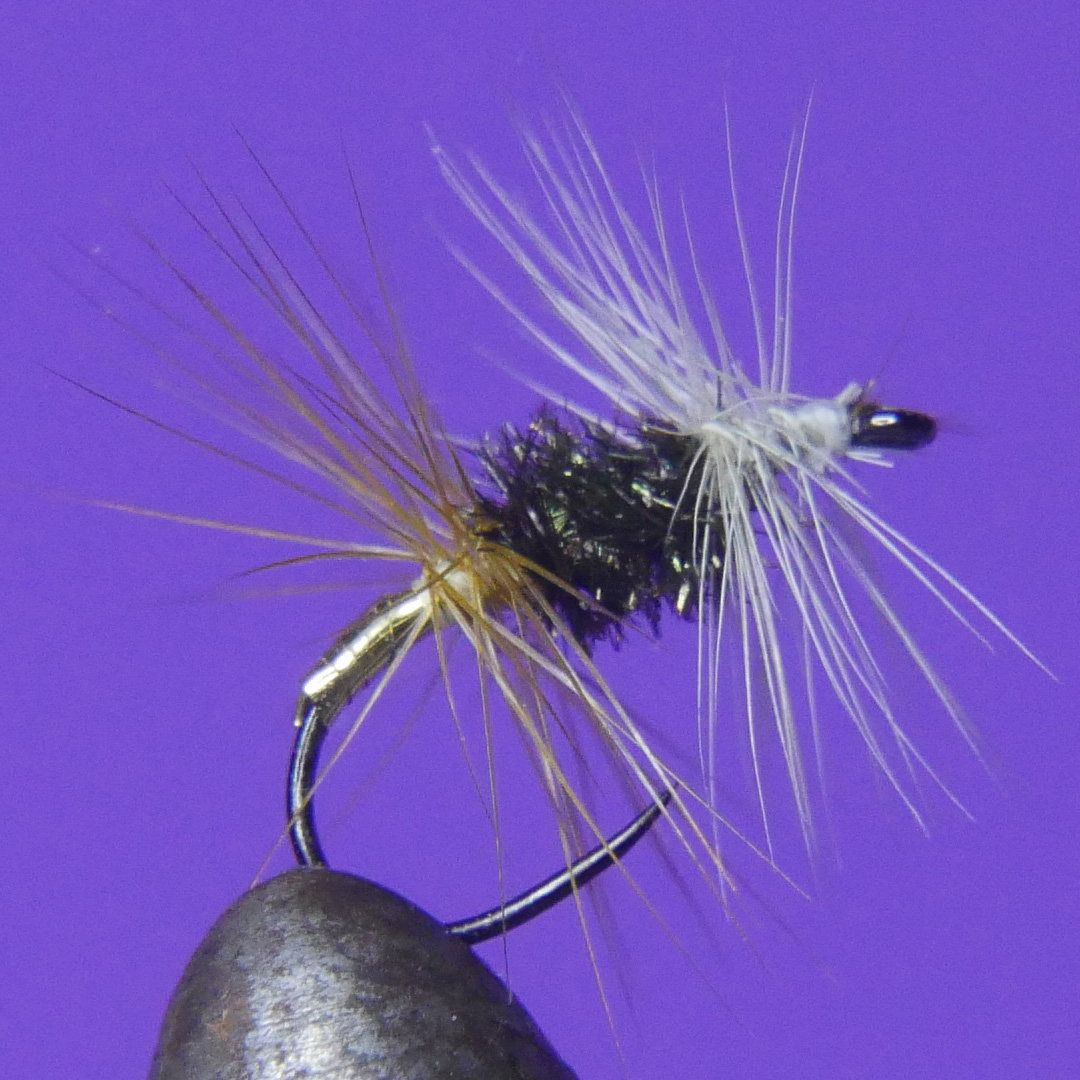
Renegade fly pattern is a classic American "fore-and-aft" attractor fly created in 1928 by Taylor “Beartracks” Williams, a legendary hunting and fishing guide. Williams originally designed the fly to target cutthroat trout on the Malad River in central Idaho. Over nearly a century, it has earned a reputation as one of the most versatile and enduring trout patterns in the Western United States

Fly Type
Dry Fly
Fly Materials
Gold Tinsel
Peacock Herl
Grizzly Hackle
Hen Hackle

Parachute Adams

Fly Description

The Parachute Adams is widely regarded as the most popular, versatile, and best-selling dry fly in the history of fly fishing. Its history is a masterclass in adaptation, combining a legendary 1920s American "attractor" pattern with a revolutionary 1930s Scottish tying technique.

Fly Type
Dry Fly
Fly Materials
Grizzly Hackle
Dubbing
Yarn

Olive Dynamite Harry

Fly Description

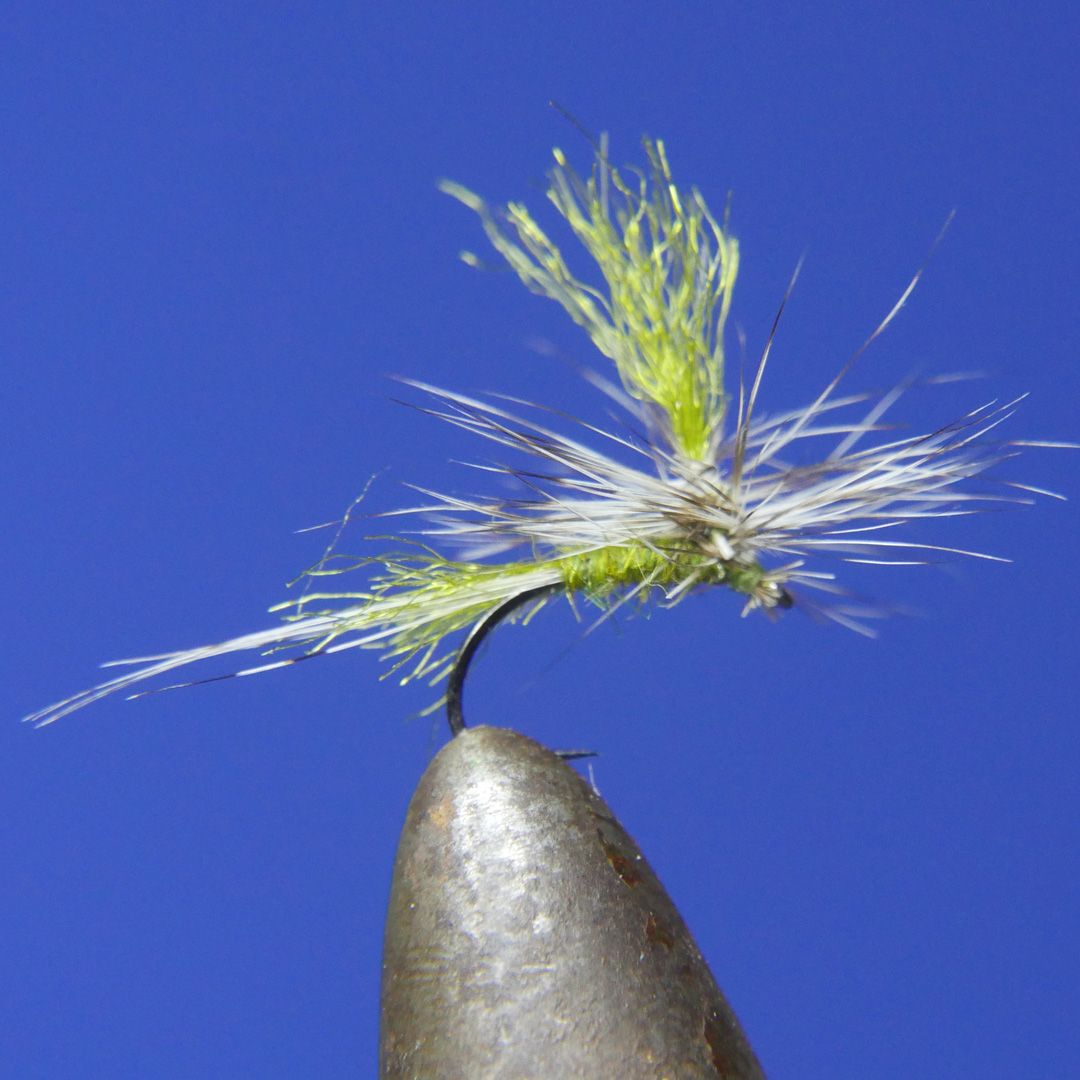
The Olive Dynamite Harry is a highly effective, modern Scandinavian dry fly pattern designed for an ultra-sparse profile and exceptional buoyancy. Unlike centuries-old historic flies, its origin blends a closely guarded secret from northern Europe with contemporary global fly-tying culture.

Fly Type
Dry Fly
Fly Materials
Antron
Grizzly Hackle
Dubbing

October Caddis

Fly Description

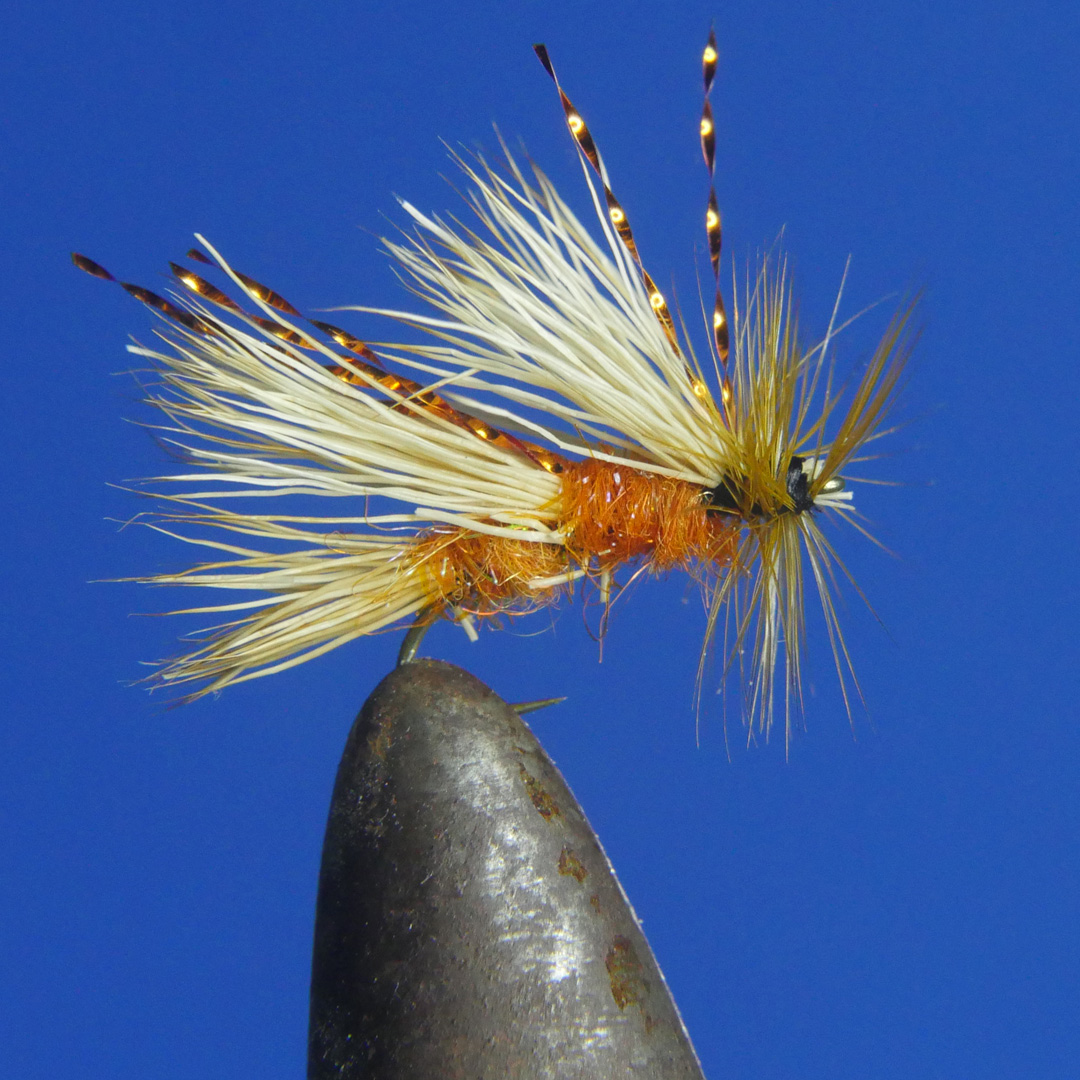
Unlike the Light Cahill or Klinkhammer, the October Caddis does not refer to a single, historically rigid fly blueprint created by one individual. Instead, it is a broader category of imitation tied to match one of the most spectacular, pumpkin-colored aquatic insects in North America: the Dicosmoecus (in the West) and the Pycnopsyche (in the East)

The history of the October Caddis pattern is an evolutionary tale of how anglers adapted existing fly styles to mimic this late-season "bite-sized mouthful". 
Fly Type
Dry Fly
Fly Materials
Elk Hair
Dubbing
Crystal Flash
Saddle Hackle