Dry Fly

Blue Winged Olive

Fly Description

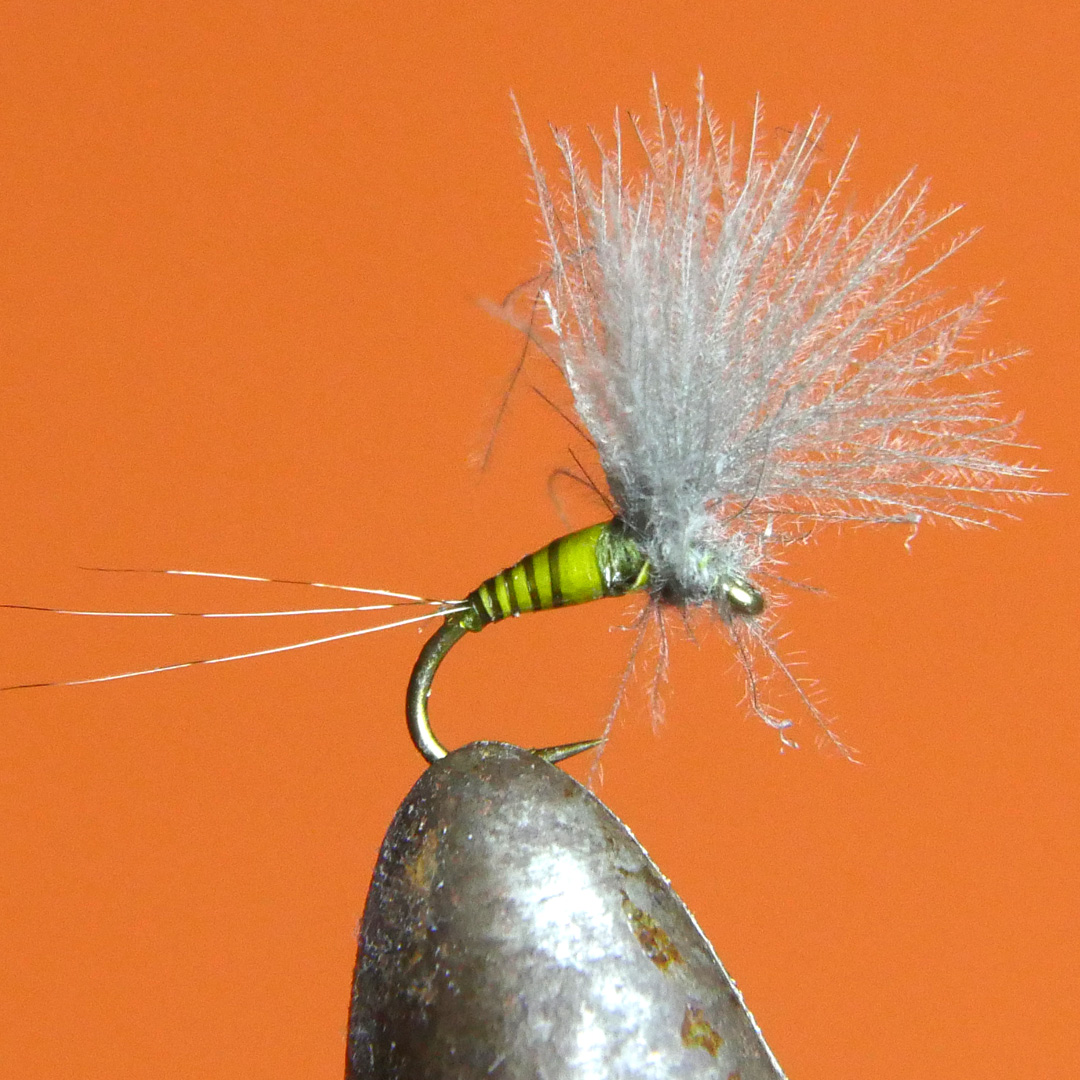
The Blue-Winged Olive (commonly abbreviated as BWO) represents a unique chapter in angling history. Unlike most classic flies, the BWO is not a singular invention tied by one specific person. Instead, it is an evolutionary category of flies spanning over a century of British and American fly-fishing literature, engineered to match one of the most prolific and widespread mayfly hatches in the world.

The concept of the Blue-Winged Olive was first formalized in the United Kingdom during the late Victorian era. Frederic M. Halford, widely regarded as the father of modern dry-fly fishing, officially documented the pattern in his 1897 masterpiece, Dry Fly Entomology.

Halford and his contemporaries on southern England’s famed chalk streams noticed that trout became exceptionally selective during hatches of small, olive-bodied mayflies with slate-blue wings (Ephemerella ignita). Halford’s original design was a rigid, upright dry fly utilizing dyed green starling quill for the body and dark, bluish-dun starling wing slips to perfectly mimic the insect's distinct silhouette.
Fly Type
Dry Fly
Fly Materials
Dubbing
Blue Dun
CDC

Black Gnat

Fly Description

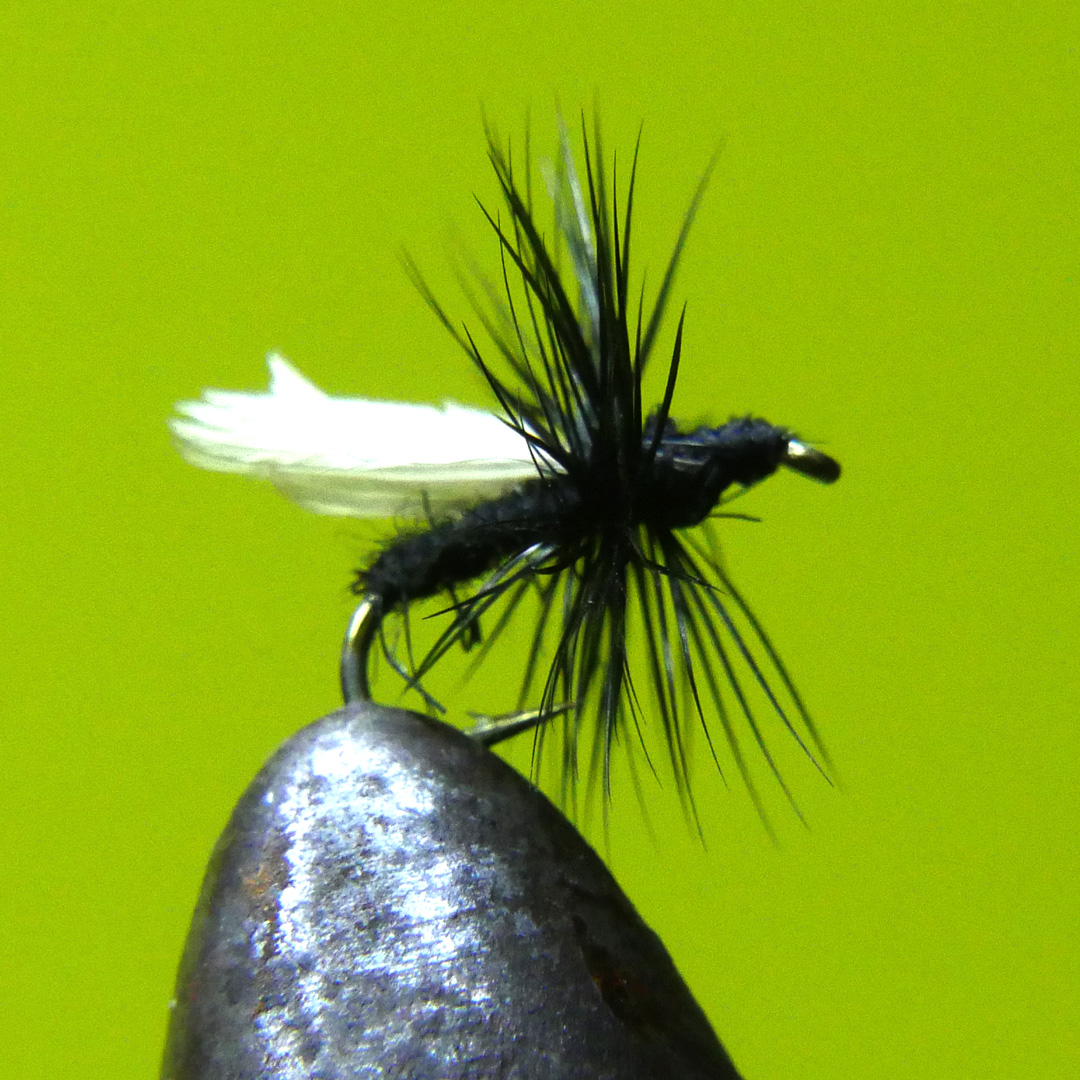
The root lineage of the Black Gnat can be traced back to the very dawn of fly fishing literature. A version of the pattern was first recorded by Dame Juliana Berners in her foundational 1496 text, A Treatyse of Fysshynge wyth an Angle—the earliest known printed book on sport fishing.

Dame Berners described using natural gray duck quill feather slips to form wings on a stark, dark-bodied wet fly. In an era where flies were tied primarily to mimic broad profiles of aquatic insects, the Black Gnat stood out as an incredibly effective imitation of the tiny, dark terrestrial and aquatic midges (Diptera) that swarm lakes and slow-moving streams.

Fly Type
Dry Fly
Fly Materials
Dubbing
Duck Quill
Black Hen Hackle

Adams

Fly Description

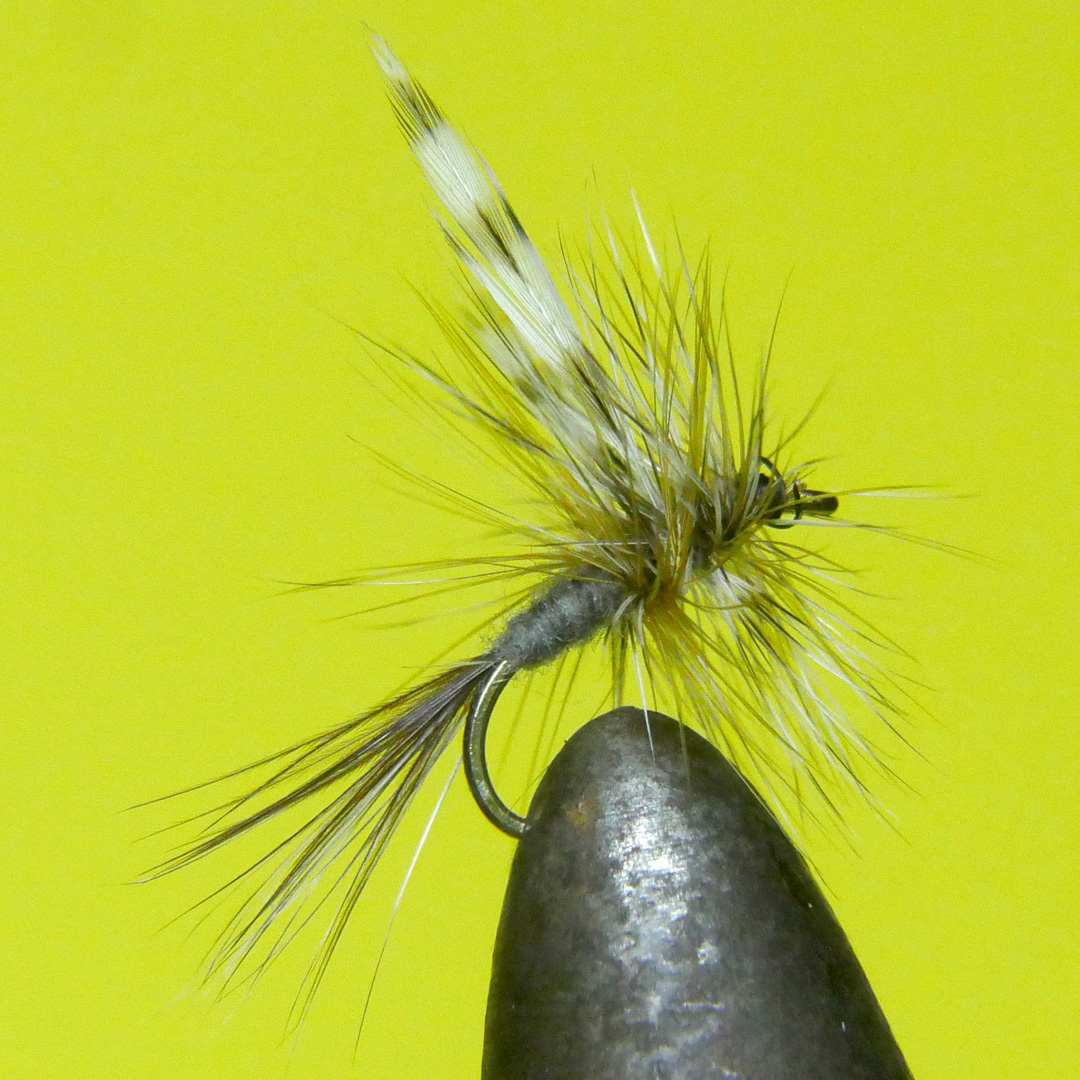
The Adams dry fly is arguably the most famous, successful, and widely used trout fly in the history of fly fishing. Invented in northern Michigan over a century ago, it is the ultimate "general attractor" pattern—meaning it does not copy a single insect perfectly, but looks convincing enough to mimic a massive variety of mayflies, caddisflies, and midges.

The fly was created by Leonard Halladay (1872–1952), an expert fly tyer and commercial guide living in Mayfield, Michigan.

In 1922, Halladay’s close friend and frequent fishing companion, Charles F. Adams, returned from a tough day of fishing on the nearby Boardman River. He explained that the trout were rising aggressively to a specific gray hatch, but none of his traditional English or Catskill-style flies could entice them.

Halladay sat down at his vise, mixed together brown and grizzly feathers, dubbed a gray body, and handed the creation to Adams. The next day, Adams fished the new pattern on the Boardman River and caught a spectacular bounty of trout.

Fly Type
Dry Fly
Fly Materials
Dubbing
Grizzly Hackle
Rooster Neck

Adams Irresistible

Fly Description

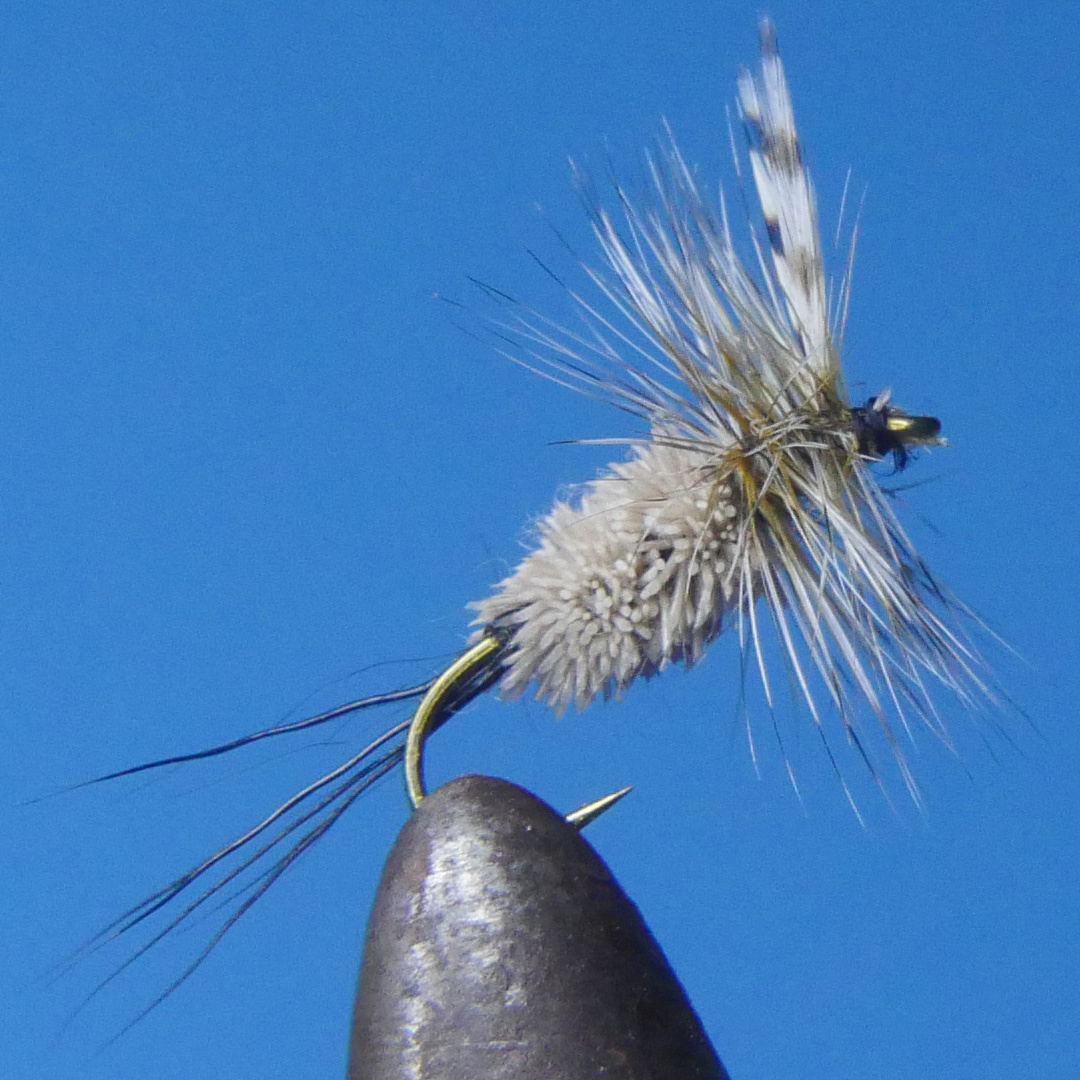
The Adams Irresistible (often misspelled as "Adama") is a classic American dry fly pattern born from the fusion of two legendary independent fly designs: the Adams dry fly and the Irresistible fly. Combining the universal, bug-mimicking color scheme of the Adams with the extreme, cork-like buoyancy of a spun-deer-hair body, it became a staple attractor pattern for fishing rough, turbulent fast-moving water.

As the "Irresistible style" of spinning deer hair for dry fly bodies spread across the United States, fly tyers began adapting it to other classic color schemes. The Adams Irresistible emerged as the most famous variation. By trading the original Adams' muskrat-fur dubbed body for Messinger's clipped gray deer hair, tyers created a hybrid machine. It kept the bug-mimicking magic of the Adams but gained an unsinkable body.

Fly Type
Dry Fly
Fly Materials
Deer Hair
Hen Hackle
Grizzly Hackle
Moose Hair